Different decision types require different approaches. A tactical decision made by one person and a future-defining decision made by a group are not the same activity — but most leaders approach them the same way. Recognizing the type determines the right mode, the right process, and the right investment of time and attention.
Unilateral: one person designs the goals and actions alone. Informed: one person designs after gathering input from others. Group: a group designs together and must reach sufficient alignment to execute. Each mode produces different quality outcomes. Group is the most demanding — and the most consequential.
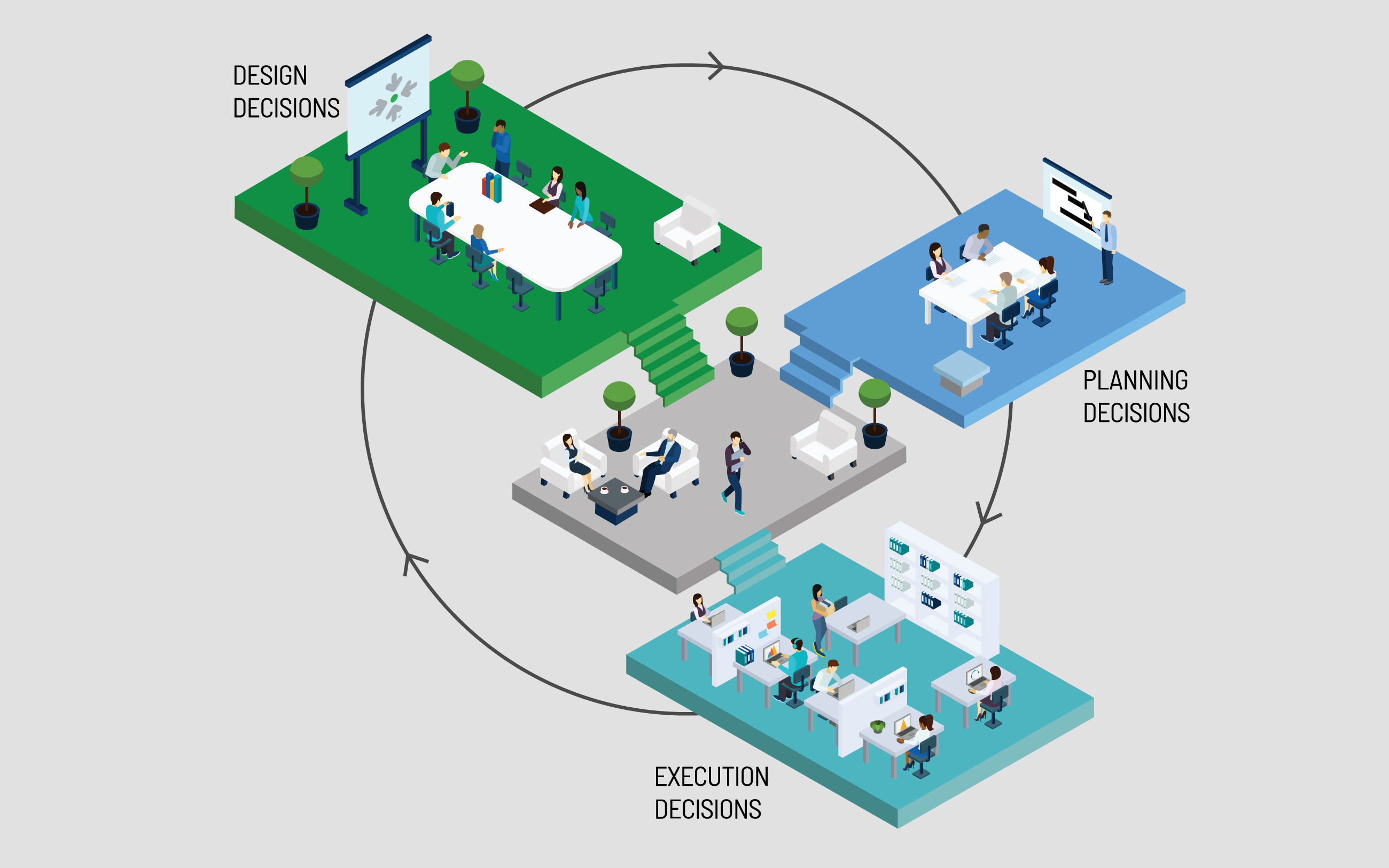
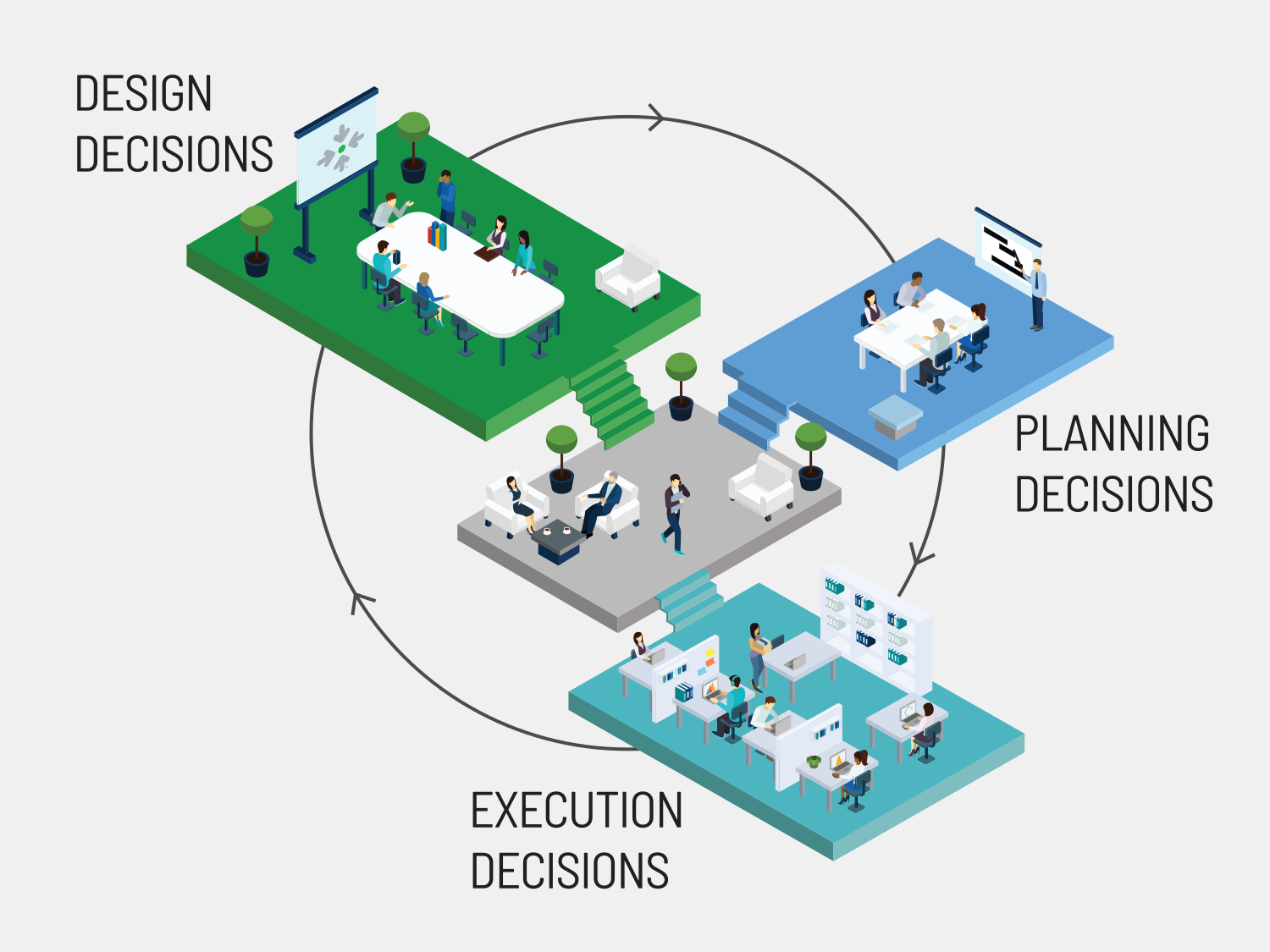
Future-defining decisions set the goals and actions that shape an organization’s direction — strategies, policies, programs. These become the context for operational decisions, which determine how to execute them. Tactical decisions are made within that execution. Most Group Design work happens at the future-defining level.

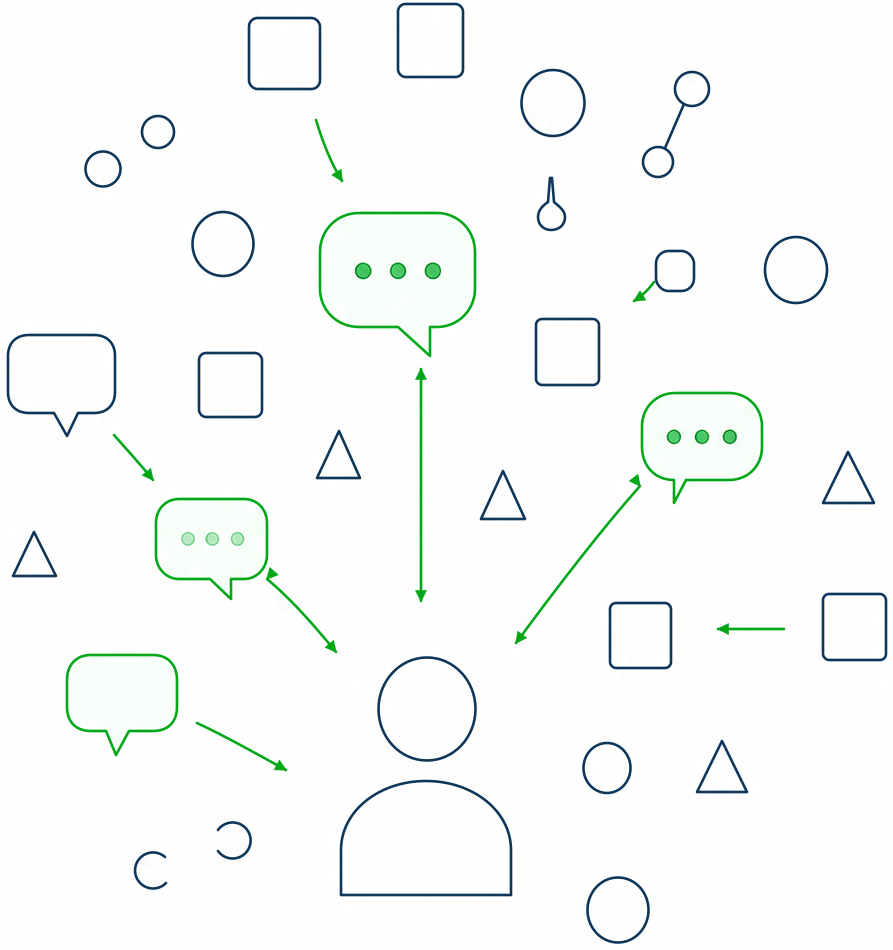
In Informed design, one person makes the final decision after hearing from others. In Group design, the group collectively produces the goals and actions — and must be sufficiently aligned on them to deliver together. The distinction matters because Group design requires alignment methods that Informed design does not.
Unilateral: one person designs the goals and actions alone. Informed: one person designs after gathering input from others. Group: a group designs together and must reach sufficient alignment to execute. Each mode produces different quality outcomes. Group is the most demanding — and the most consequential.
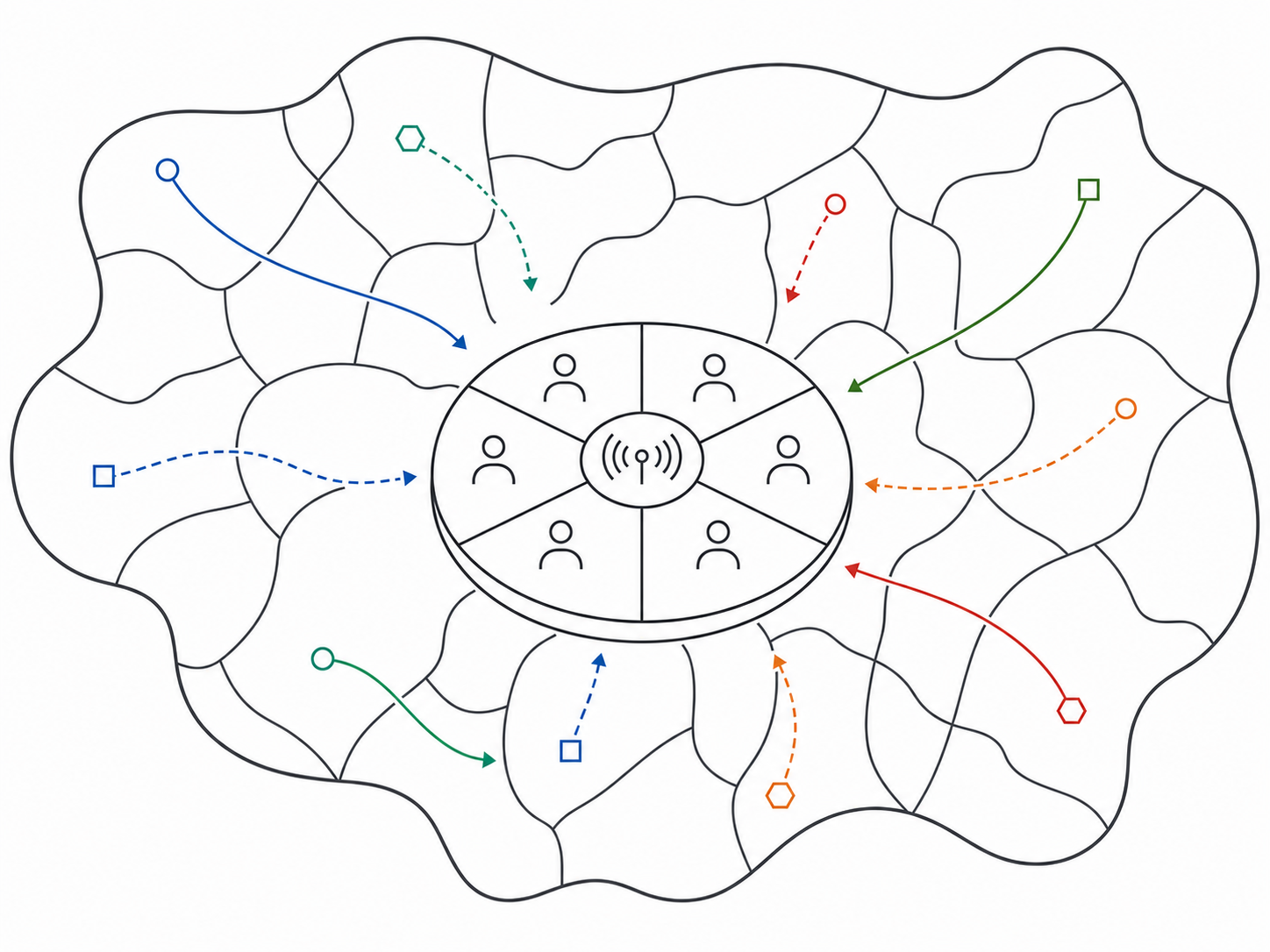
Group Design combines the highest-stakes level (future-defining) with the most demanding mode (collective). The group must not only arrive at goals and actions together — they must be aligned enough to execute. That requires concepts, frames, and methods that no other decision type demands to the same degree.
Without a reliable Group Design method, the process feels too uncertain to trust. Informed Design — where one person decides after gathering input — is a faster, safer default. The tradeoff is lost collective intelligence.