

Group Design is an unspoken responsibility.
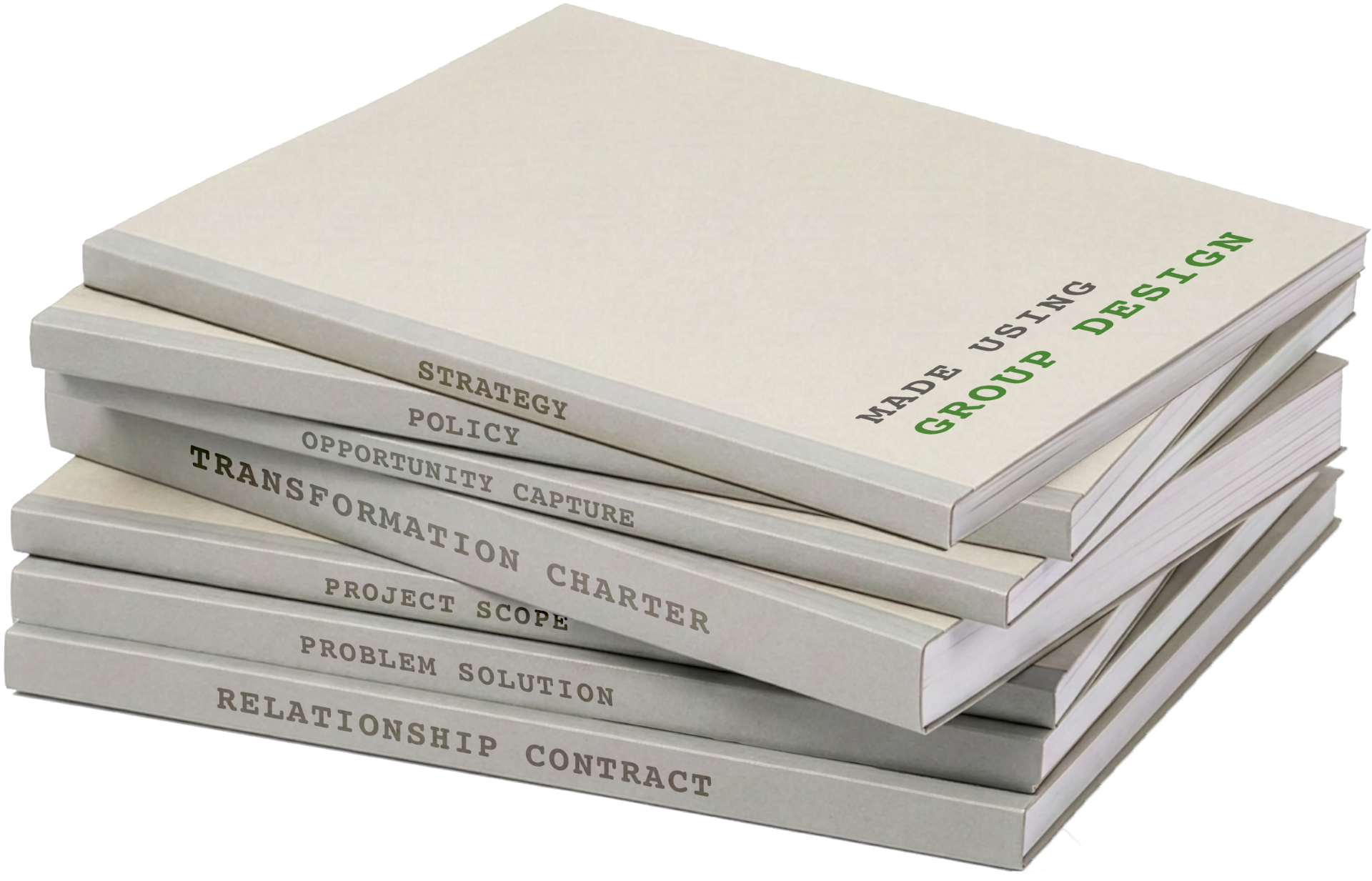

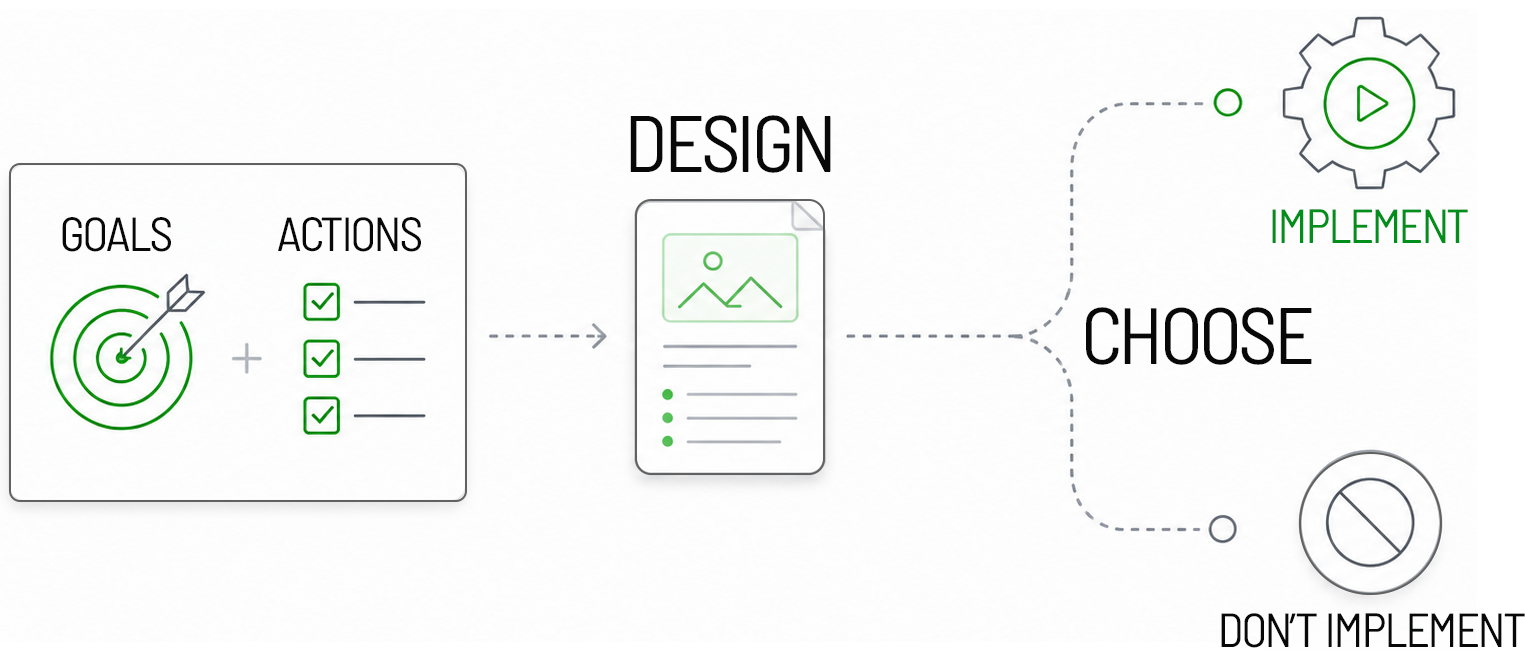
An educational briefing for leadership and project teams on how groups design goals and actions. It explains what SchellingPoint’s research has revealed about conventional methods, introduces the Optimal GDM approach, and outlines practical steps for strengthening the organization’s Group Design capability.
A practical workshop for leaders, managers, and others who lead or participate in Group Design. Participants learn the Optimal GDM framework and apply its concepts and methods to simulated and real situations, practicing how to co-design goals and actions as a group.
Training for people responsible for guiding groups through the design of goals and actions. The program covers the Optimal GDM framework and SchellingPoint’s software, teaching Design Guides how to apply the methods and use the platform to support the group’s task.

Groups typically see a measurable difference in design quality from the first Optimal GDM application. The concepts and methods are designed for immediate use — no lengthy ramp required.
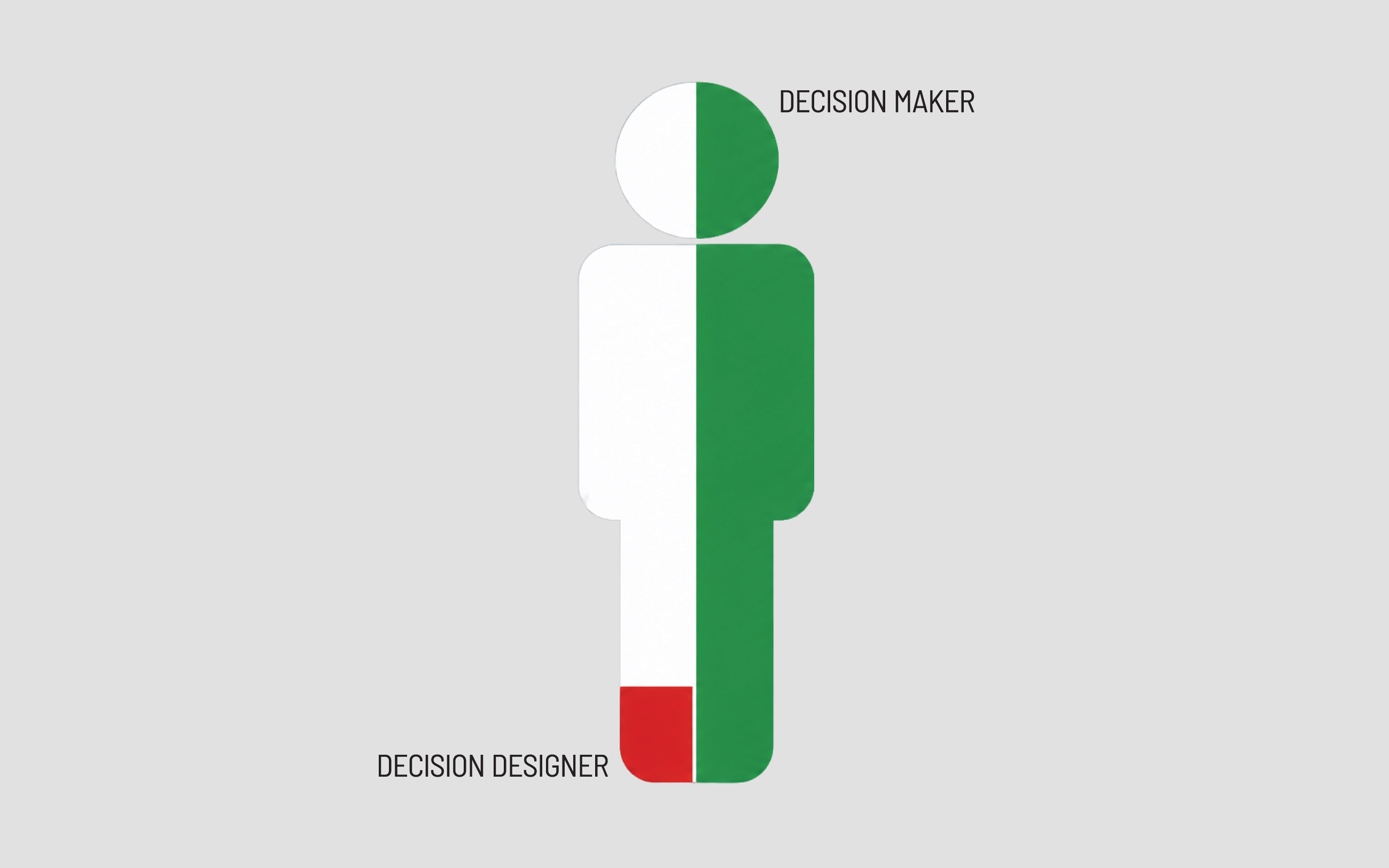
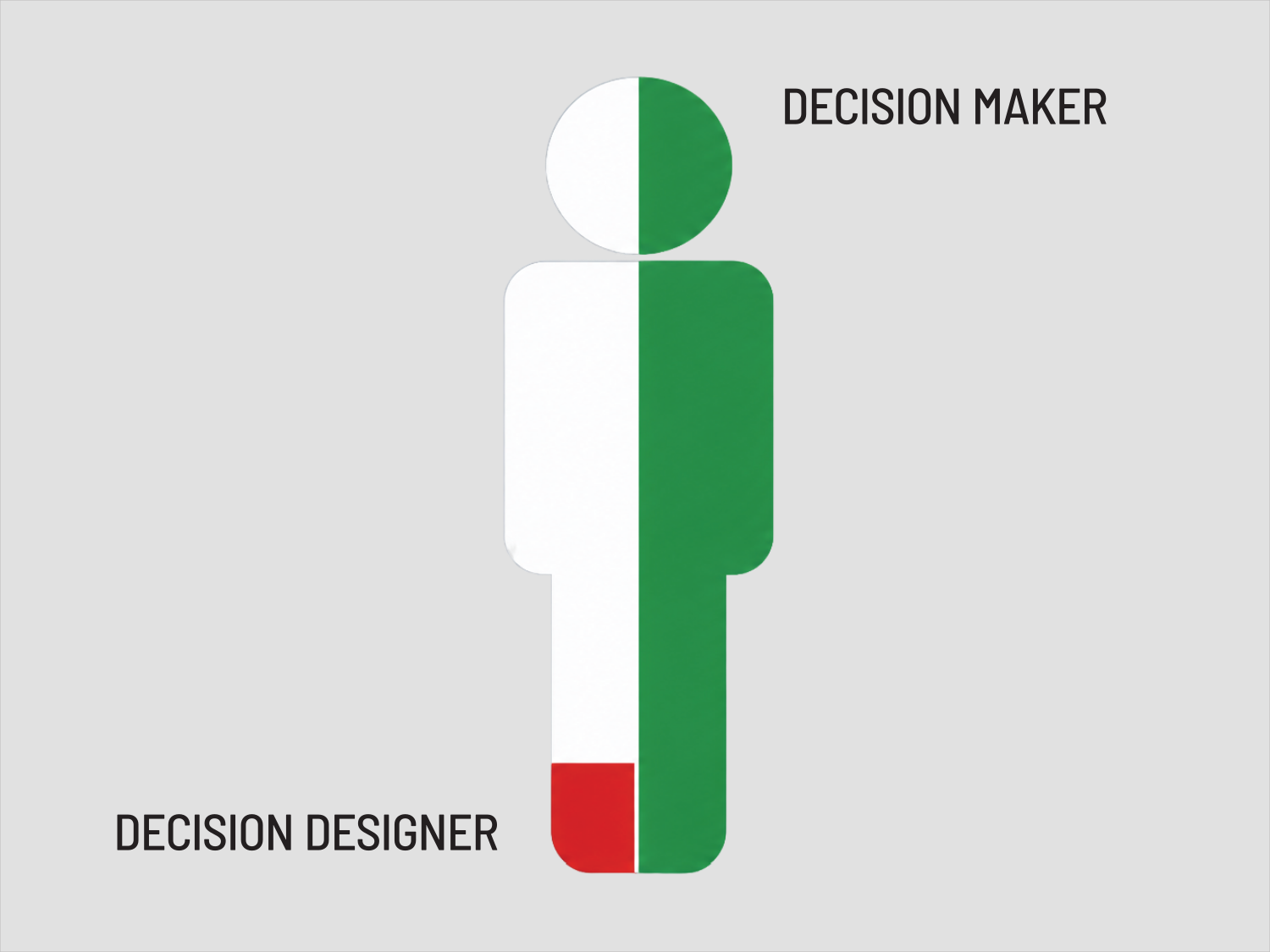
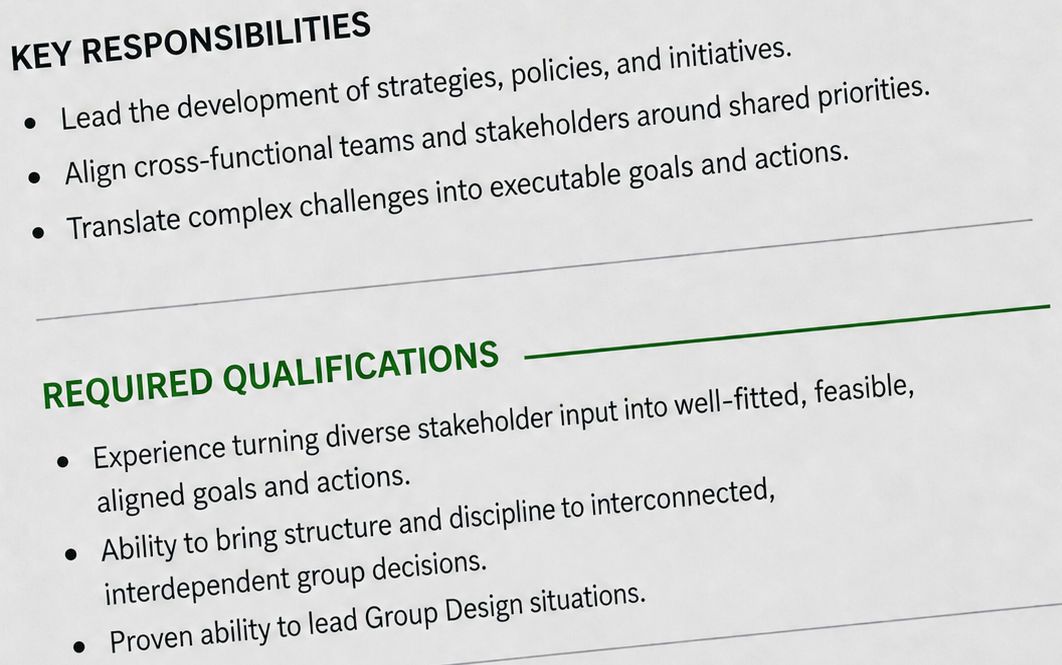
Decision designers, facilitators, strategy and policy teams, and leadership — anyone responsible for guiding a group to high-quality decisions. Programs are available for individuals and full organizational cohorts.
The Optimal GDM framework: the concepts, frames, and methods that replace conventional group decision design. Participants leave able to design decisions that are measurably more accurate, complete, and aligned — and to verify that they are.
Facilitation training improves how groups interact. Design thinking improves how problems are framed. Optimal GDM training improves what gets designed — the actual configuration of goals and actions. The three are complementary, not interchangeable.
Programs range from introductory sessions of a few hours to full certification-level programs. Format, depth, and duration are matched to the organization’s needs and the decisions it faces.