Research Insights Overview

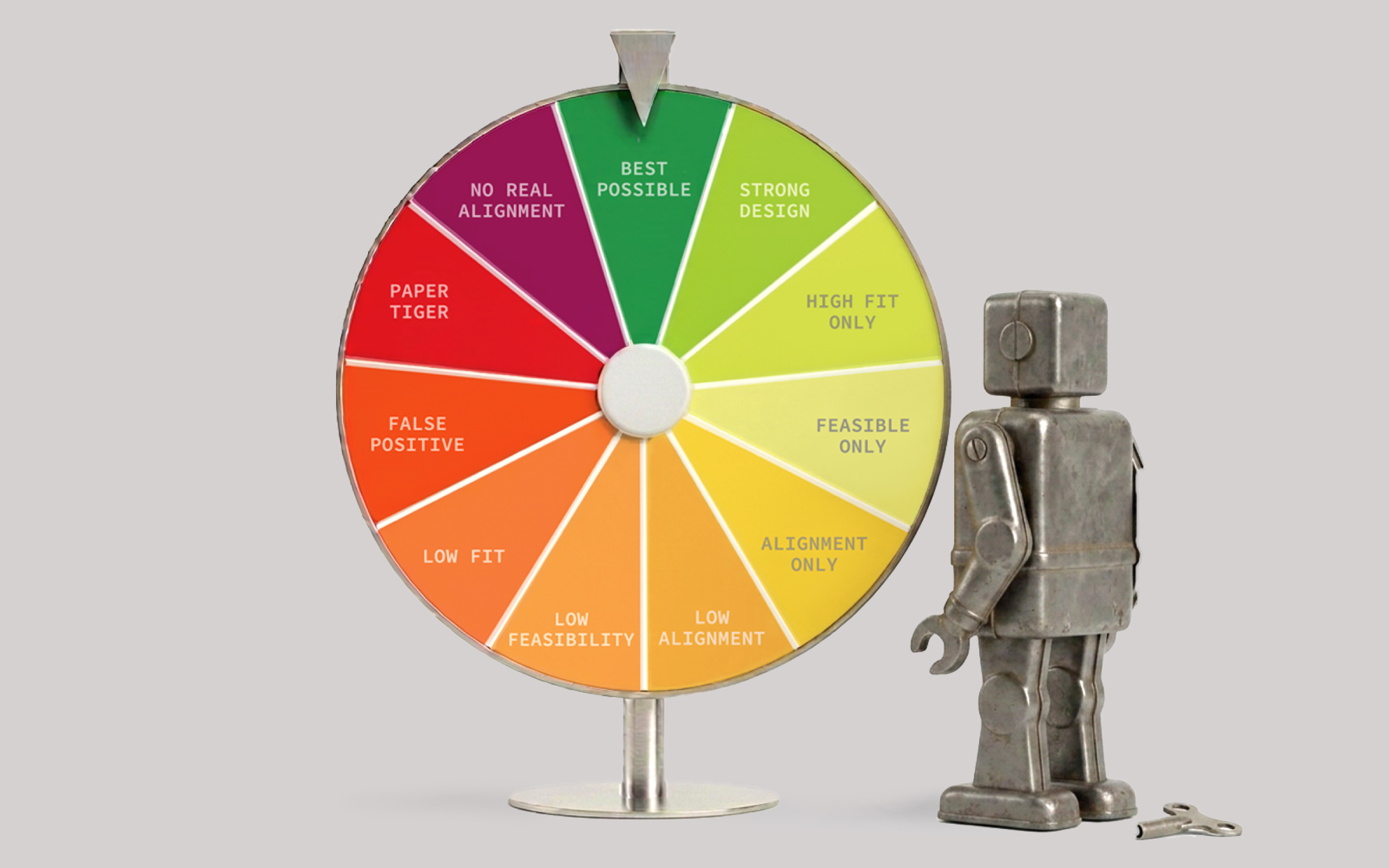
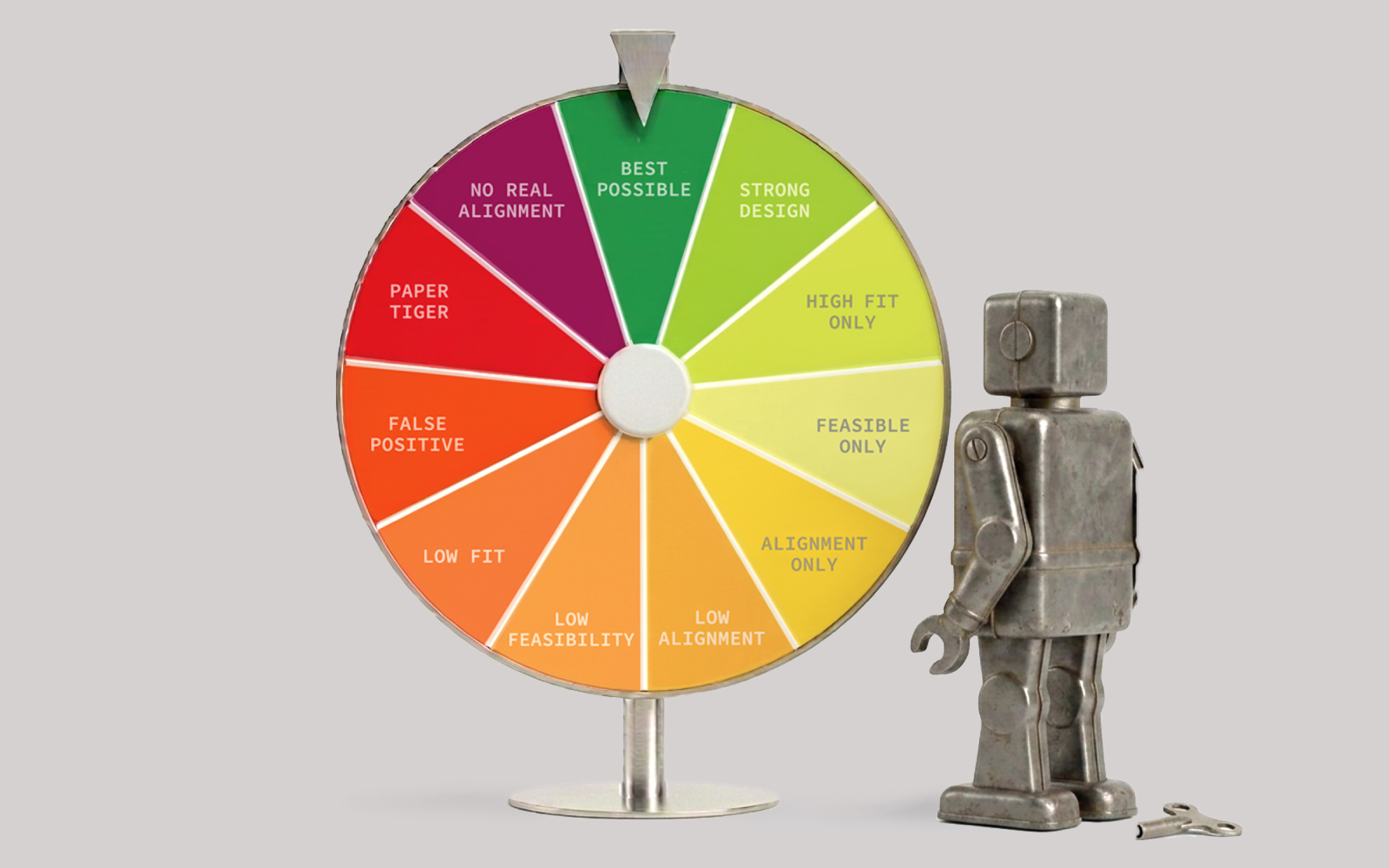
Group Designs are only the best possible through luck and chance

Weak concepts and methods cause groups to design goals and actions to enter implementation with serious unseen flaws.

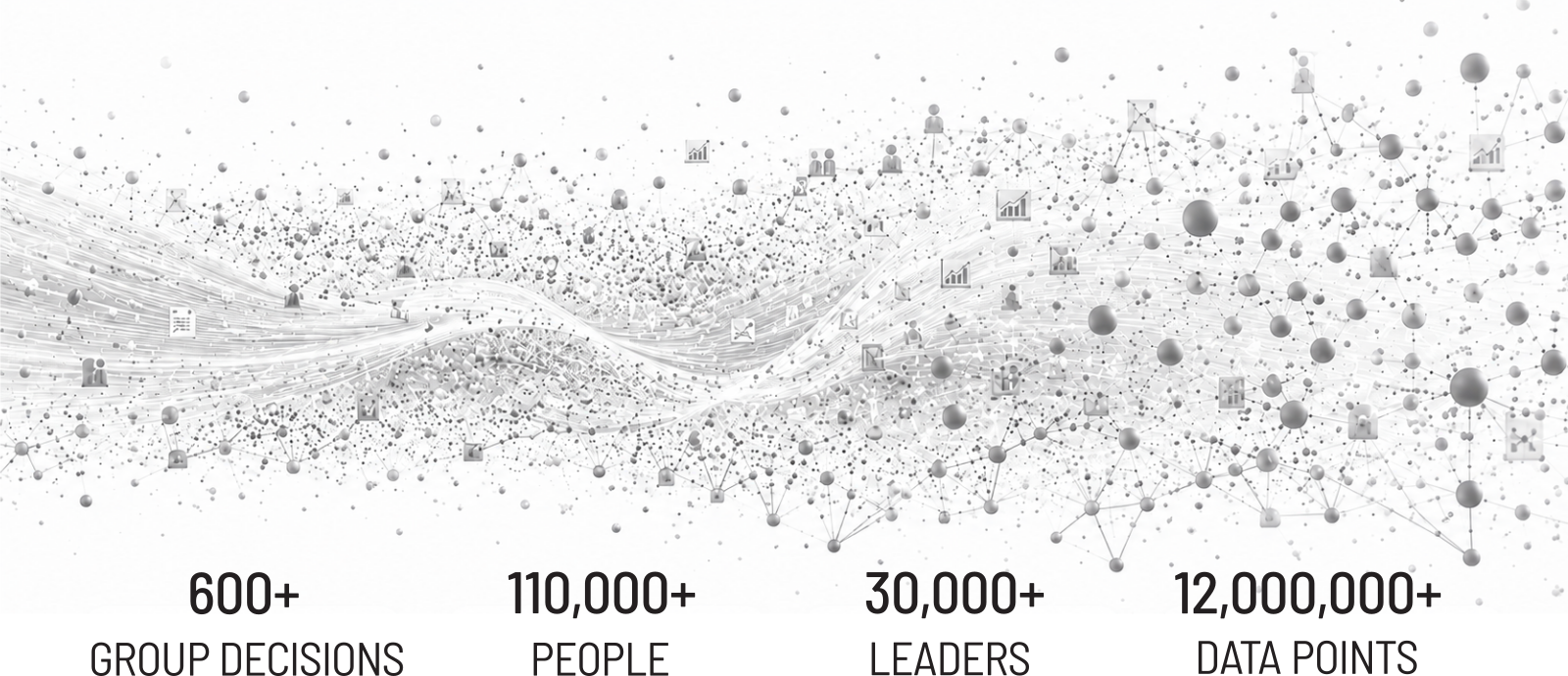
Big data.

The decision design content for every participant in hundreds of groups identifying how to advance shared topics.   

Real-time data.

Views, opinions, concerns, aspirations, knowledge, reasoning and rationale.

Initial thoughts to post-dialogue agreements, goals and actions.  

Diverse data.

> Fortune 50 leadership to 5-person ventures.
> Federal policy to non-profit culture.
> Local teams to global initiatives.
> Corporate strategy to marketing campaigns.
Birthing Doulas
Church Pensions
Strategic Weapons
AI
Adoption
Homeless Planning
Federal Policy
Corporate Strategy
Tropical Diseases
Product Innovation
Turn-arounds
Merger Integration
Culture Change
Process Improve
ment
Growth Strategy
Service Innovation
Go-to-Market Strategy
BPO Contracts
Industry Alliances
Portfolio Design
Safety Strategy
Joint Ventures
Board Design
IT Project Charters
Failing
Programs
Water Supply

Measured observations.

We have currently identified 41 procedural flaws in how groups design goals and actions.

They cause the difference between the best possible goals and actions that were attainable and those the group produces - often thinking they are the best possible.

Unexpected conclusions.

One of the most mission-critical managerial responsibilities, Group Design is an immature craft.

We surfaced many procedural flaws.
Three critical examples:

Flawed foundations.

The ubiquitous practice of Stakeholder Interviews contains a previously unrecognized flaw.

Developed in the 1920s for sentiment analysis, Stakeholder Interviews and Analysis was not designed for decision design. The flaw distorts any conclusions made on the group’s starting position and direction it's conversations should travel.

It is likely that any goals and actions derived from Stakeholder Interviews analysis were derived from an inaccurate picture of the group and its situation.

Agenda error.

The importance of Group Design agendas is seriously underestimated.
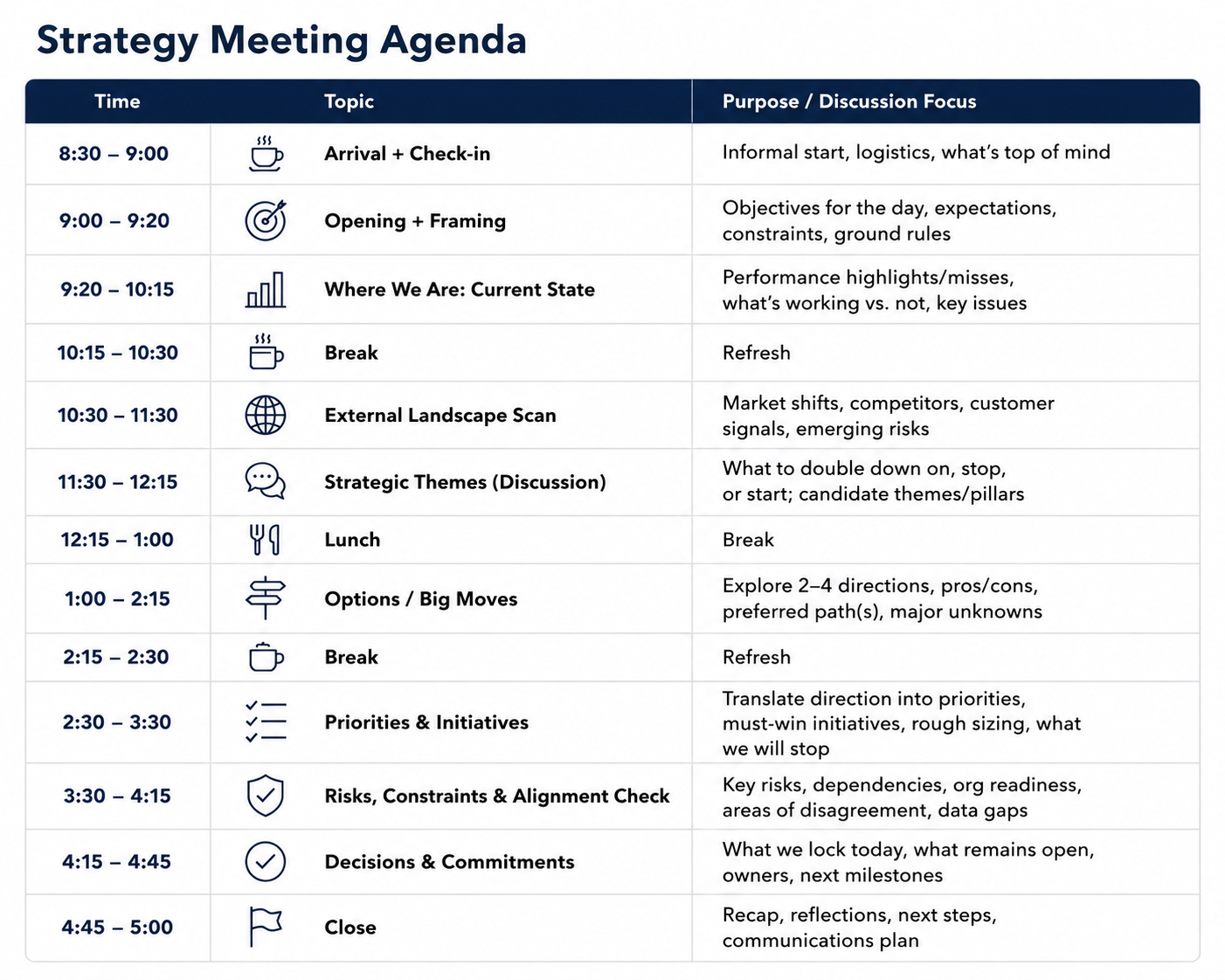
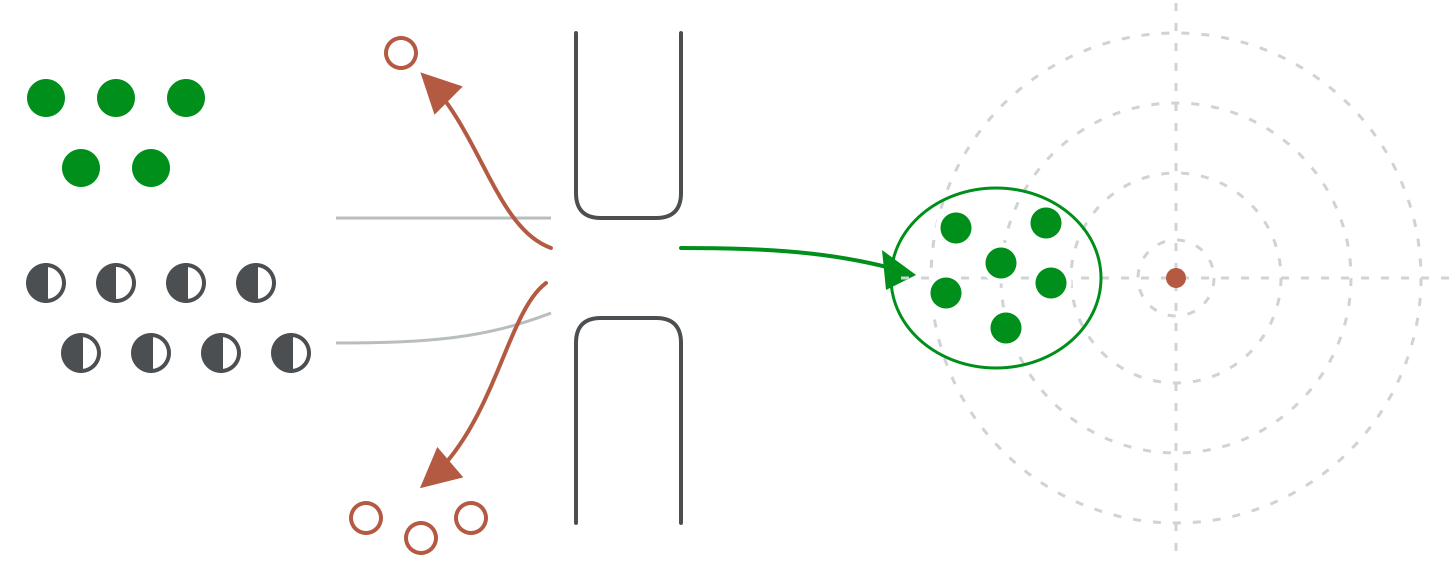
What a group discusses - and in what order - defines the solution space from which its goals and actions can emerge.

Yet most agendas are created without design tools such as selection logic and pathing logic. They appear rational while unknowingly placing the group’s best possible design beyond reach.

The resulting goals and actions may be celebrated as sound while actually ranging from suboptimal to damaging.

Agreement gap.

Before their first dialogue, group members already disagree on 76% of their opinions. Reconciling the key differences is one of the most critical success factors in Group Design.

But consider a group of ten people: five support a proposed goal and five oppose it. What dialogue method would you use to help all ten reach a single, sound position?

No standard method is taught. Leaders, managers, consultants, and facilitators each improvise their own approach - usually with uncertainty.

A weak discipline produces weak output.

Three critical examples:

Weak fit.

When groups describe the intended outcomes of in-flight implementations, they express 13. Of these, they privately agree on 5, and disagree on 8 of them.

Lacking an explicit Cost of Inaction against which to judge the value of the target objectives, the implementation's utility is valuable rather than on-target.

Due to feasibility-bias throughout the process, many valid and valuable goals were prematurely rejected.

Barely feasible.

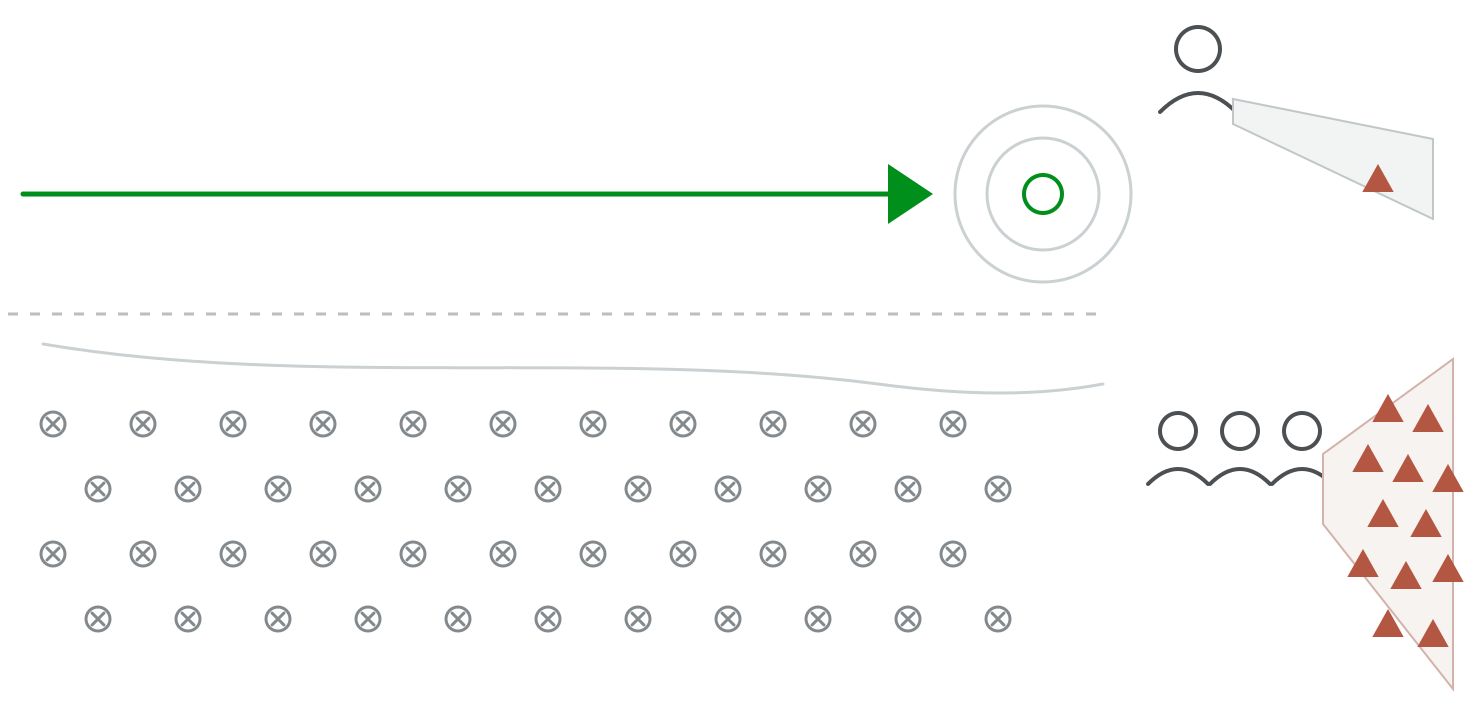
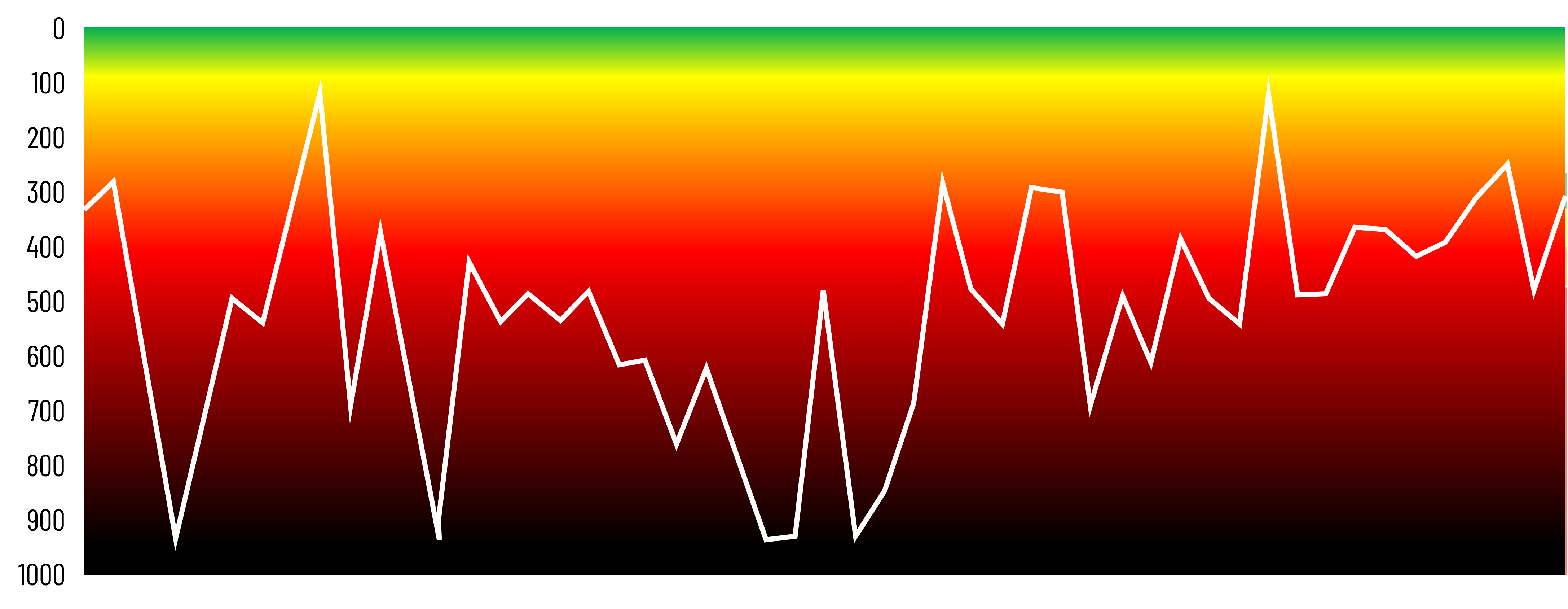
When groups are asked why the in-flight implementation won't be successful, they average 44 unresolved constraints - issues not being addressed.

Even in problem-solving and turnaround situations, opinions that might be deemed negative are unwelcome or stifled.

Concerns for unintended negative consequences are one of the strongest emotional reasons for rejecting valid goals and actions. Sponsors foresee one, on average. Implementers foresee twelve but current methodologies do not procedurally surface and prevent these concerns.

Low alignment.

Alignment is used to describe whether a group agrees about an opinion and whether they are acting toward a shared goal. Yet how a group thinks about an opinion is its likemindedness. Calling it aligment and declaring misalignment stifles authentic dialogue.

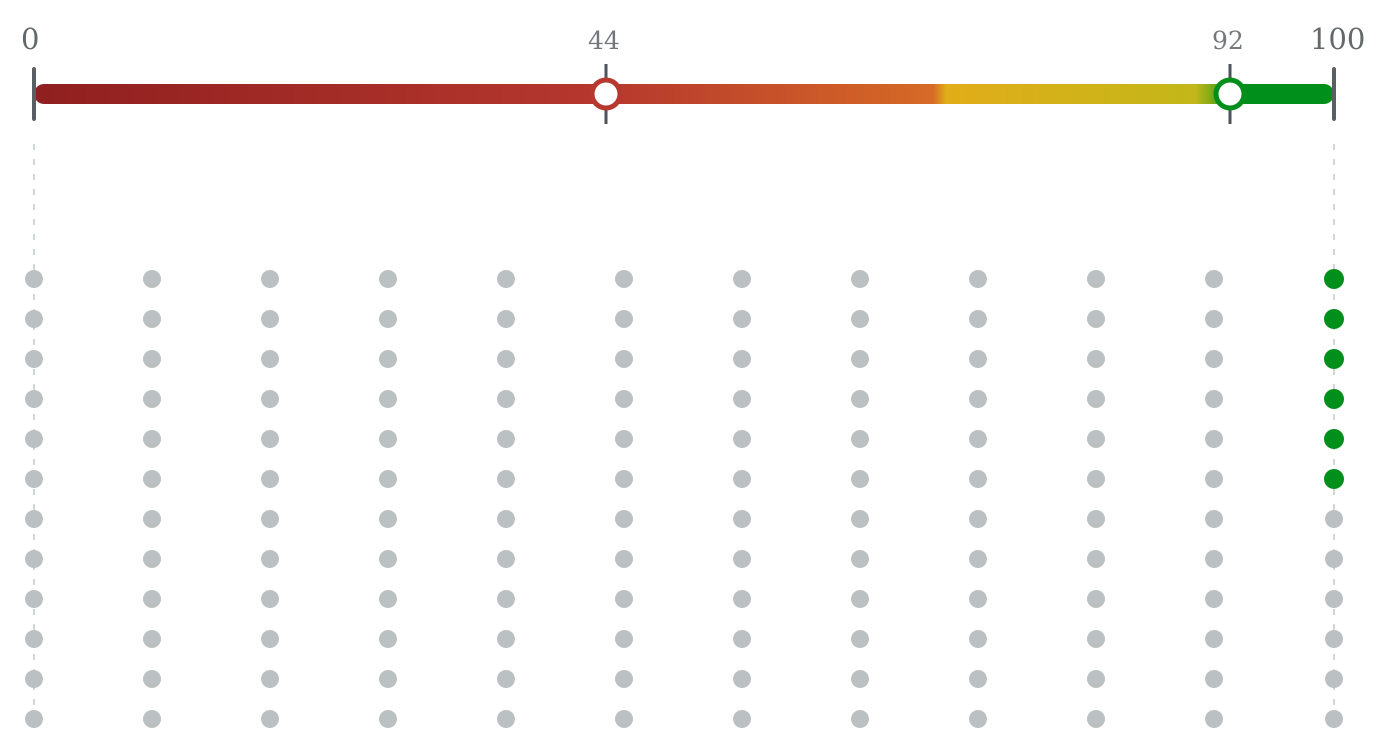
Alignment is referenced as a binary condition, Are/Aren't.  Mathematics derived from the likemindedness work of  Nobel Prize recipient for Economics, Prof. Thomas Schelling found every group was between 44 and 92 on a 0 to 100 scale. No group was ever aligned.

We can project that no group can ever be fully aligned. And few groups find sufficient alignment.

Of 144 leadership teams, 6 had sufficient likemindedness to lead with common words and coordinated action. The other 138, the penalties were tangible and substantial.  

False positives.

Current Group Design concepts and methods systematically cause capable groups to produce goals and actions that appear  rational, logical, and compelling to be consequentially inaccurate and incomplete.

Compounding loss.

Each new Group Design sends valuable but flawed goals and actions into implementation.

The cost of inaction is not one poor implementation but the repeated production of avoidable underperformance.
FAQ
Frequently asked questions
What did SchellingPoint's research study?
How legitimate is this research?
Is this research published?
What is the primary limitation on this research?
What are 'false positive' goals and plans?