Group Design Approaches

Group Design has no standard.

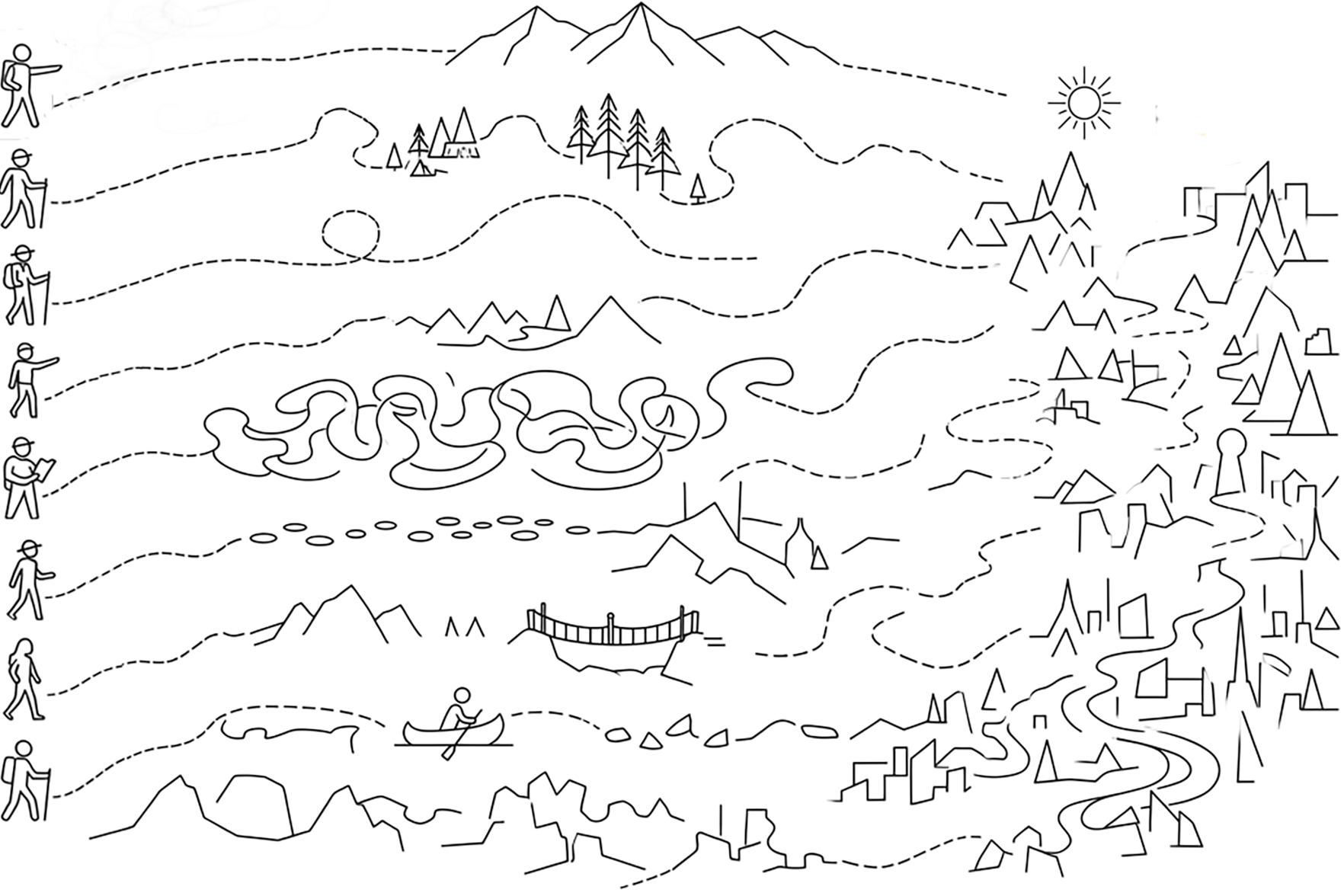
Approaches vary from random to semi-structured. Each group design follows a unique path.

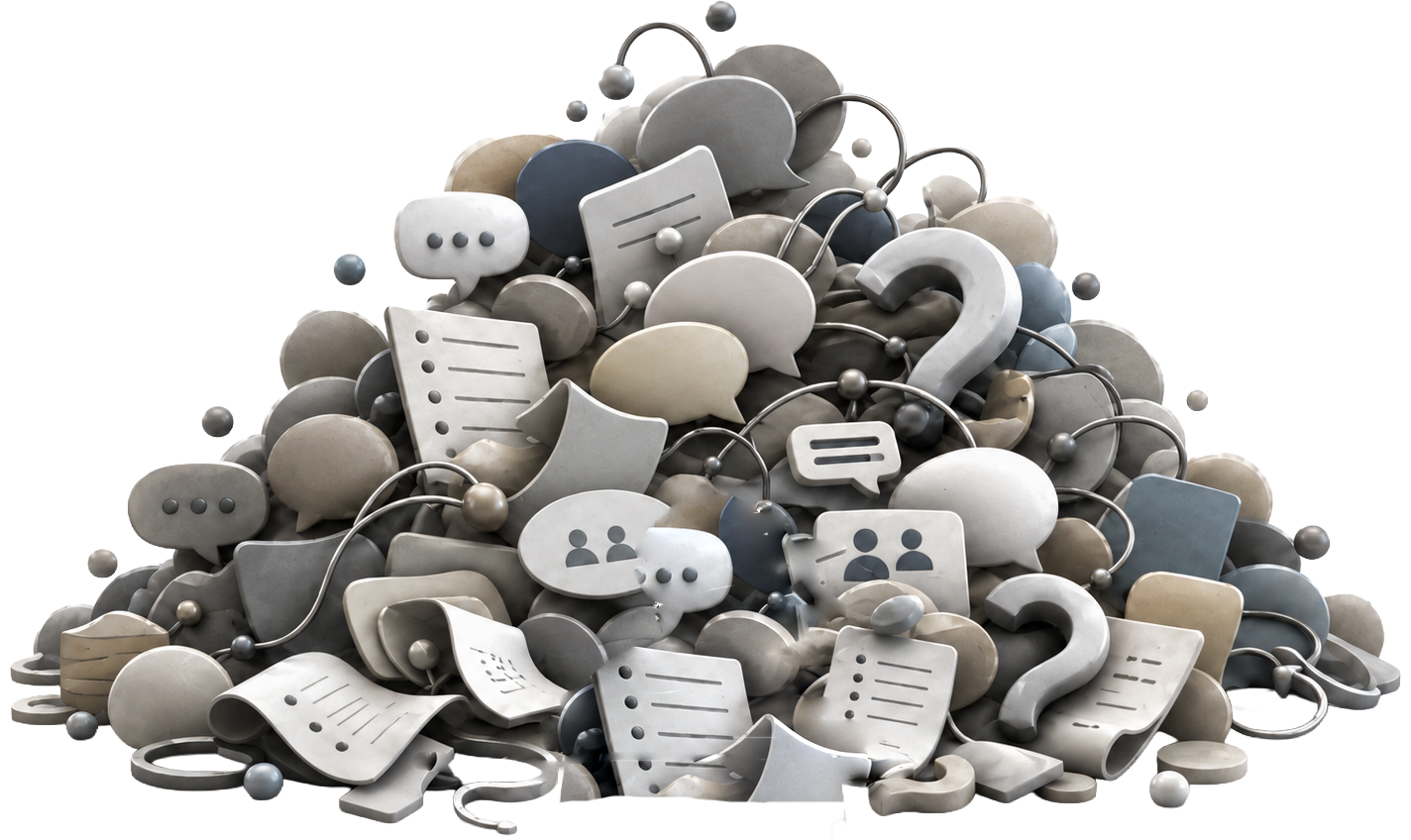
The raw materials.

Stakeholders and interests
Data and evidence
Risks and mitigations
Roles and authority
Assumptions and uncertainties
Context and signals
Actions and alignment
Resources and constraints
Goals and outcomes
...

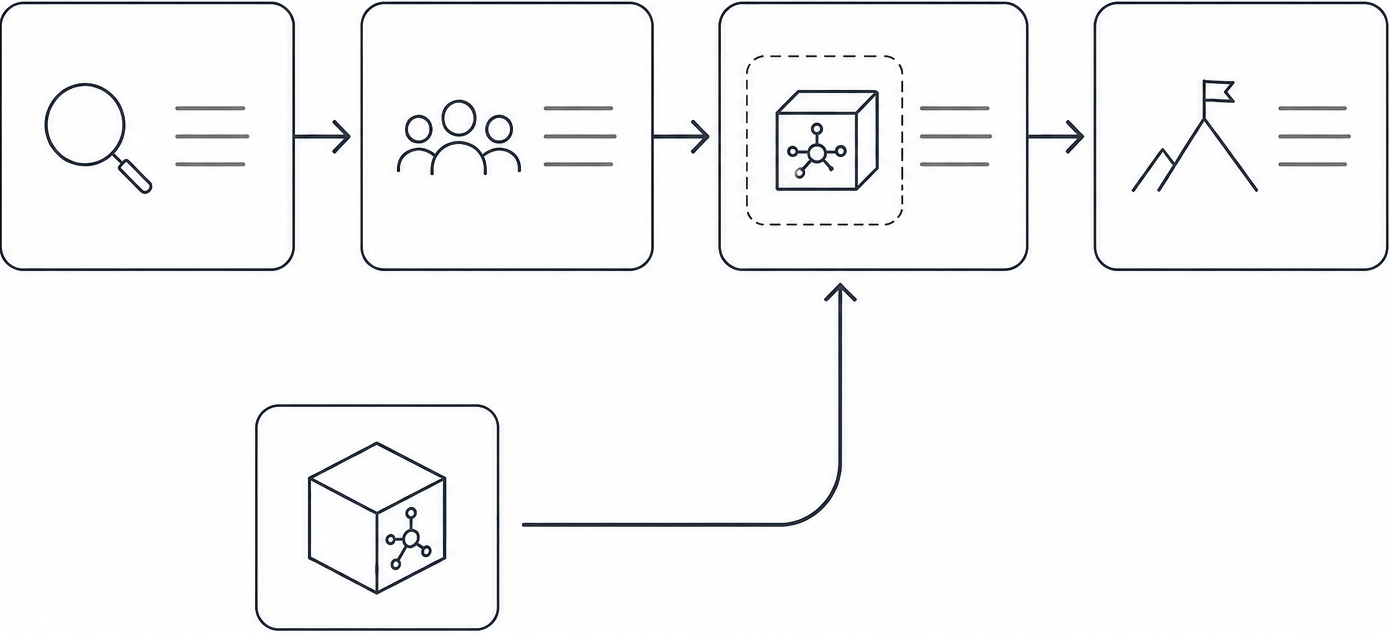
PACKAGED.

Many consultants embed interviews, analyses and facilitated workshops within their service methodology.

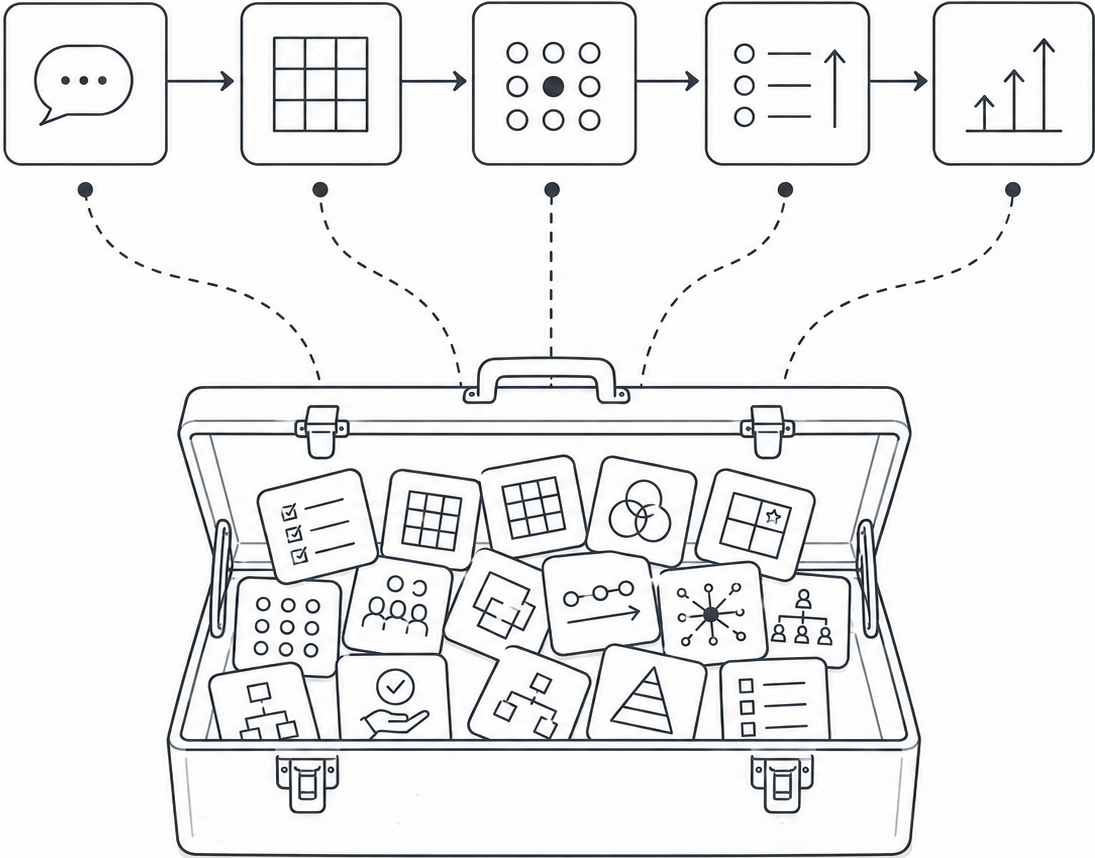
Assemble-to-order.

Many facilitators assemble a custom, one-time approach to Group Design for each group from the tools and techniques in their personal collection.

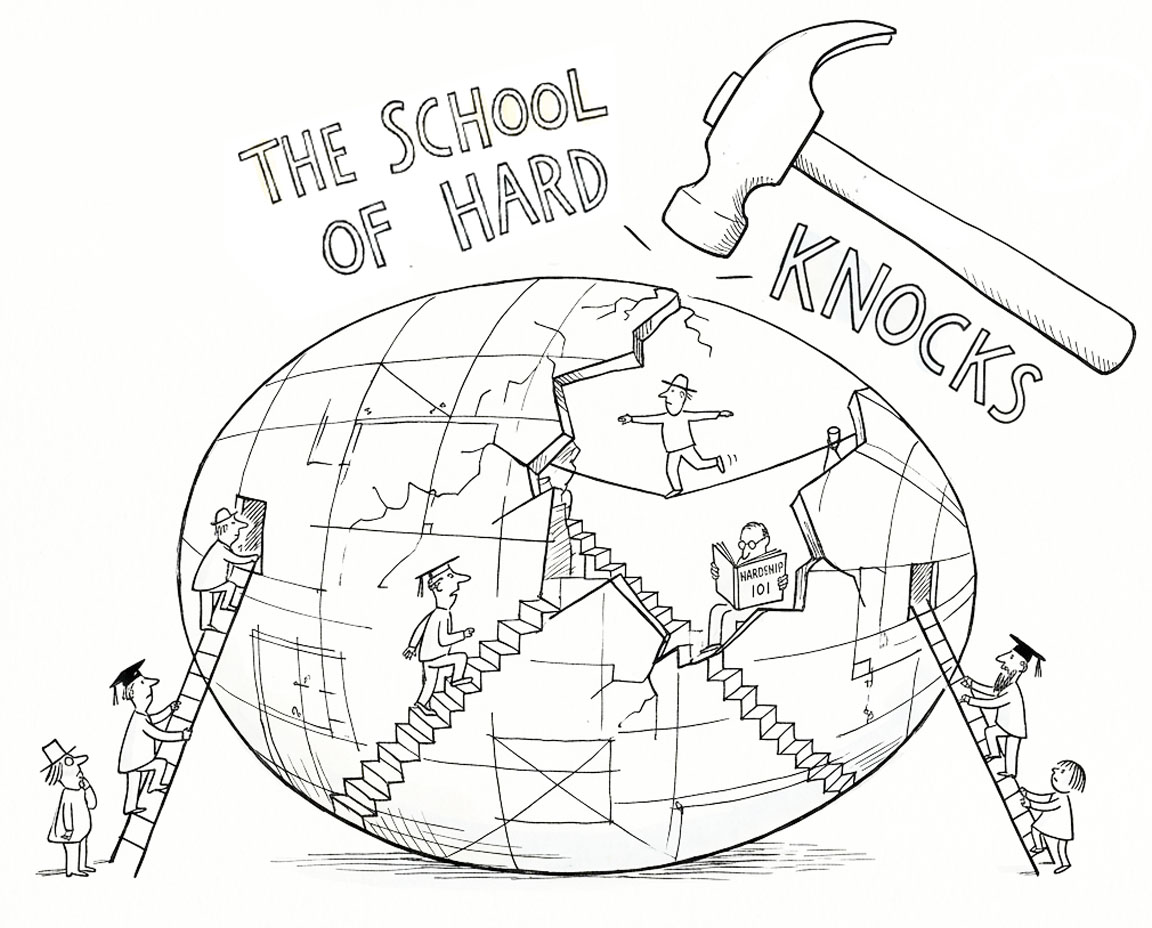
Tacit defaults.

Through participation, observation, trial and error, leaders and managers unconsciously develop their implicit, private approach to Group Design.

Few are aware or can explain it.  

No two are alike.

Whichever approach is used, every group follows a unique path.

This has been assumed as acceptable because each shared-response situation is unique.

Random walks.

Every group goal and action design activity is entirely dependent on which leader, consultant, or facilitator guides it.

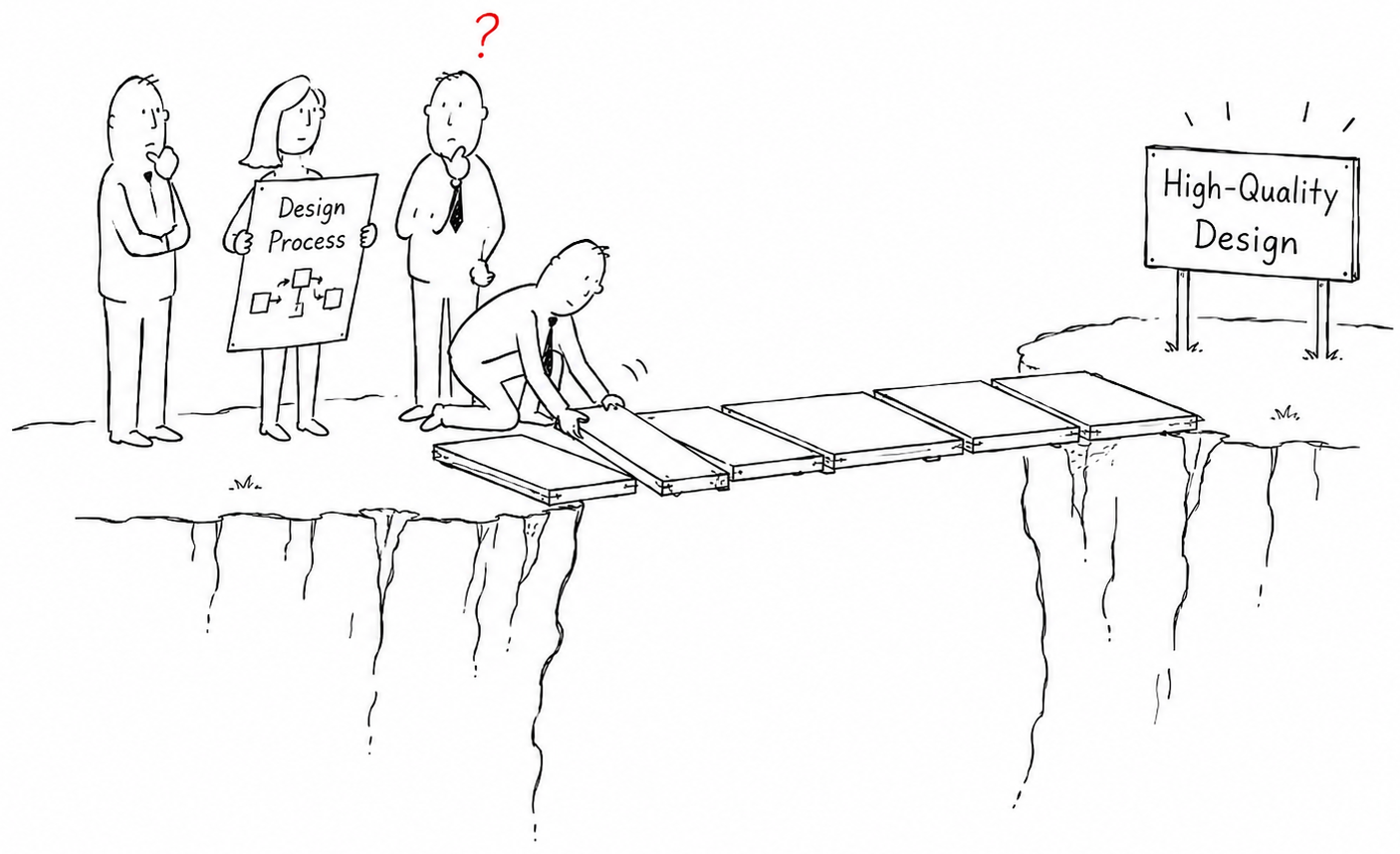
The Group Design paradox.

What do you do when the quality of a decision is based on the quality of the process used to design it - but you don't have a process? 
FAQ
Frequently asked questions
What approach do consultants use for group decision design?
What approach do most facilitators use for group decision design?