No items found.
No items found.

Data informs Decisions. Opinions become Decisions

The raw material for a decision's active ingredient is the group's opinions
This is some text inside of a div block.

Measuring What Matters

Here is some of what we have learnt so far about how well groups convert their distributed beliefs into the best possible decision design. The research focuses on quality at the moment of commitment, after the last conversation and before execution becomes the first real test.
Based on hundreds of real-time group decisions captured as they formed - not after-the-fact recollections.

Decision Design Quality

Few group designs are measurably as good as they feel to their authors.

An intangible product, unlike a physical item, we found a way to quantify decision design quality using objective data.

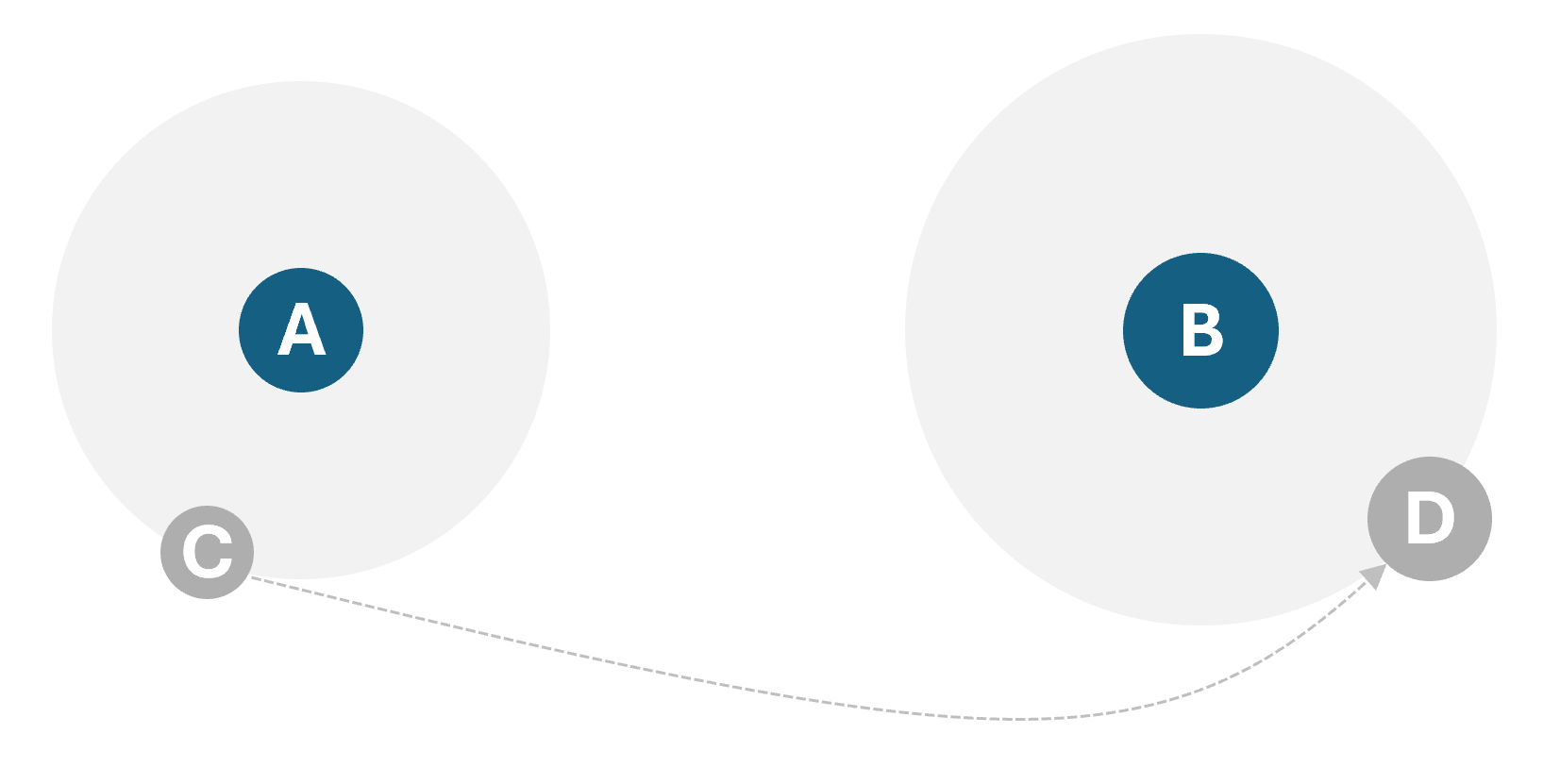
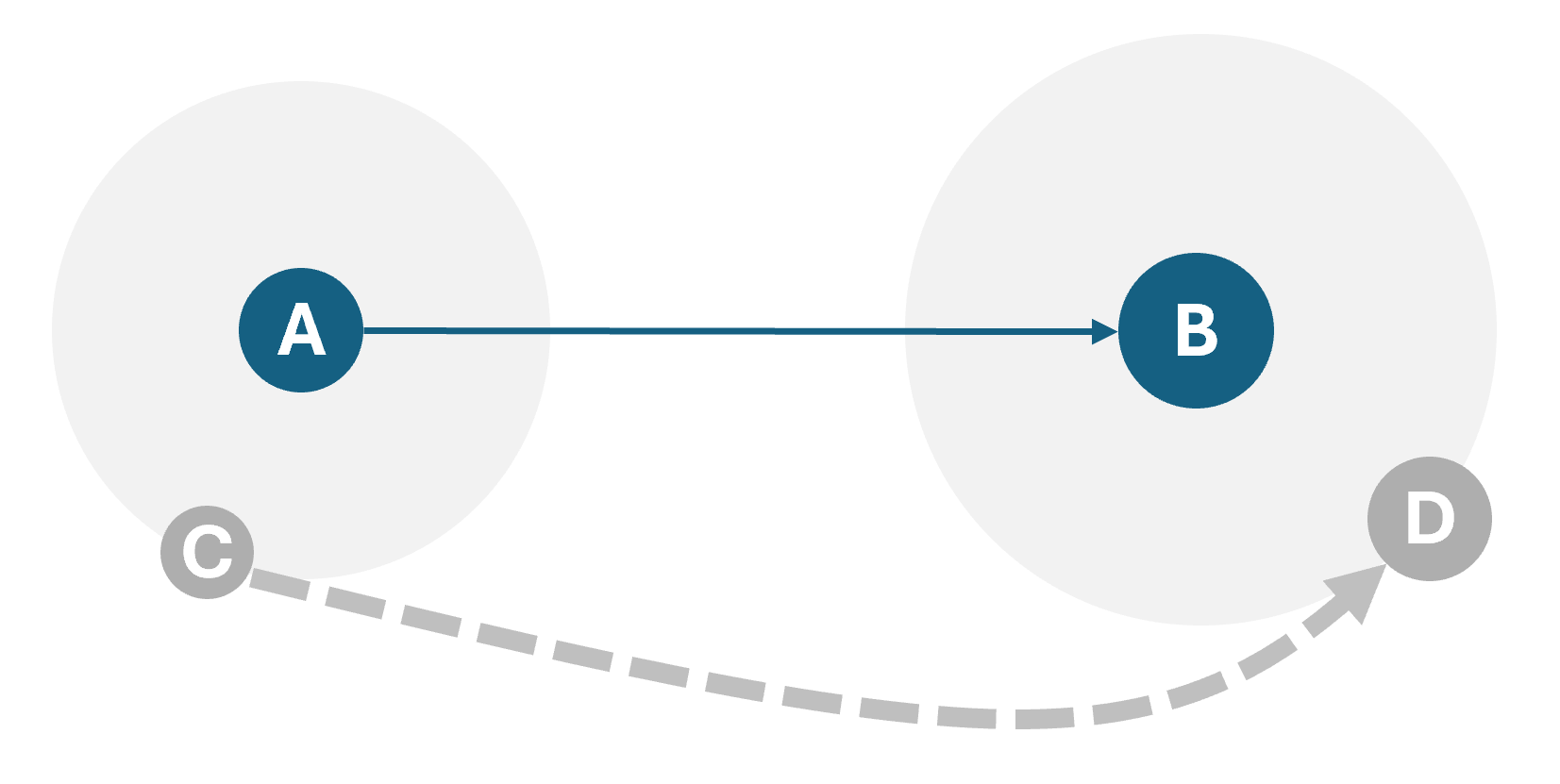
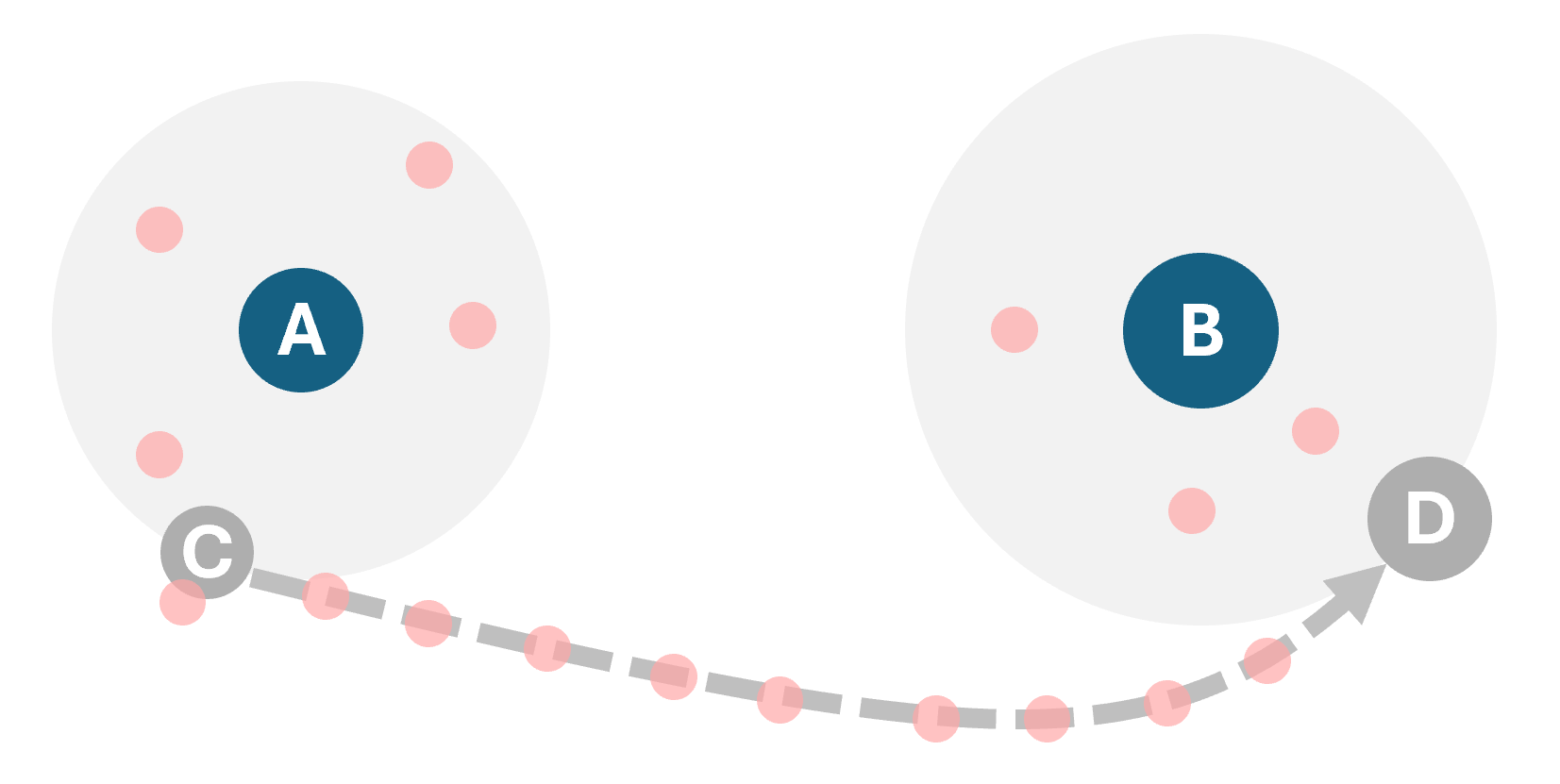
Groups believe they are at point A, and identify point B as the topic's target state. Diagnostic flaws cause most to unknowingly be starting from C, and should be aiming for D.

Most goals and actions look good on paper but start with implementation probabalities that would unacceptable from surgeons, financial advisers or the military.

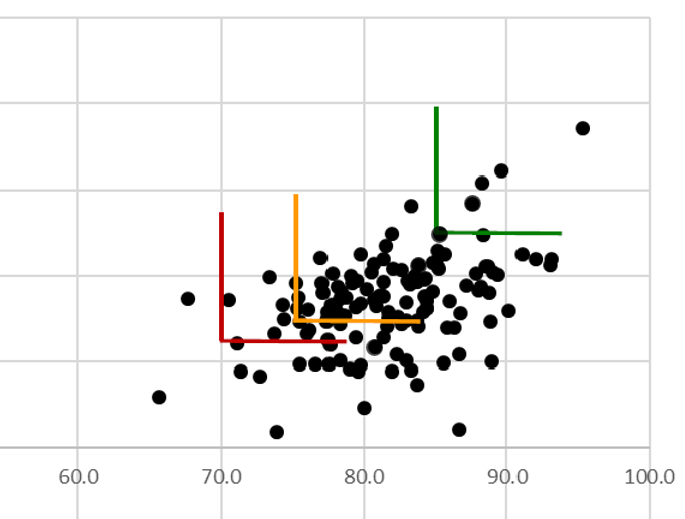
Most groups believe their goals and plans possess sufficient alignment. A subjective claim, when measured, 96% have insufficent alignment.
Decisions are designed from Opinions, not Data

Decision Design lacks a definition of Done

Decision Design is most organization's weakest process

Any set of goals and plans is a mixture of data, declarations, and connective narrative. The declarations are the active ingredient.
Most groups claim decision quality due to who was involved, data used, methodology followed, and other leading indicators.
Almost every strategic decision design path is a unique, one-time, never-to-be-repeated series of steps.
Declarations originate from opinions. Data informs 5% to 25% of a group's opinions.
The discipline of Group Decision-Making (GDM) has not provided groups with decision quality lagging indicators, output measures.  
Each unique path of conversations taken by a unique group with a unique context and objective shares a single meta-path
Data informs opinions. Opinions become decisons.
Most goals and plans are being moved into implementation without any objective quality metric.
Measured as process, leaders would shut it down for repair and overhaul if anywhere else in the organization.
Current group decision design methods for advancing shared subjects consistently produce false positives - logical, rational, and often compelling goals and plans - that are unlikely to succeed.

Three Important Discoveries

Group decision making is an unsupported, artisanal performance, with tangible negative consequences.
By the time people are experiencing the common frustrations of flawed group meetings - annoying colleagues, endless dialogues, time-wasting tangents - the potential to design the optimal solution was already over the horizon behind them. Even when the dialogue is flowing and generative, the optimal design is unattainable and most groups are unknowingly salvaging their best possible design.

Even Strong Teams Aren’t Exempt

Only4 of 144 Leadership Teams Had Sufficient Alignment
This is some text inside of a div block.

This Should Not Be a Surprise

Most GDM concepts and methods derived in academia are focused on GDM-Choice.
When leaders, managers, consultants, and facilitators reference GDM concept and methods, they are almost entirely GDM-Choice.
GDM-Design has been, for the most part, an academic blindspot.
Strategy, policy, project, change, innovation, alliance, merger, and other vertical domain have had to come up with their own proprietary GDM approaches.
With no lexicon or formal body of knowledge, groups are left to talk about Win-Win, Agree-to-Disagree, and "Are we done?"

The research findings provide current state baseline data from which we could make a data-driven, evidence-based developments.
FAQ
Frequently asked questions
Why doesn't a standard approach to group decision design exist?
Why can smart groups not create optimal designs?