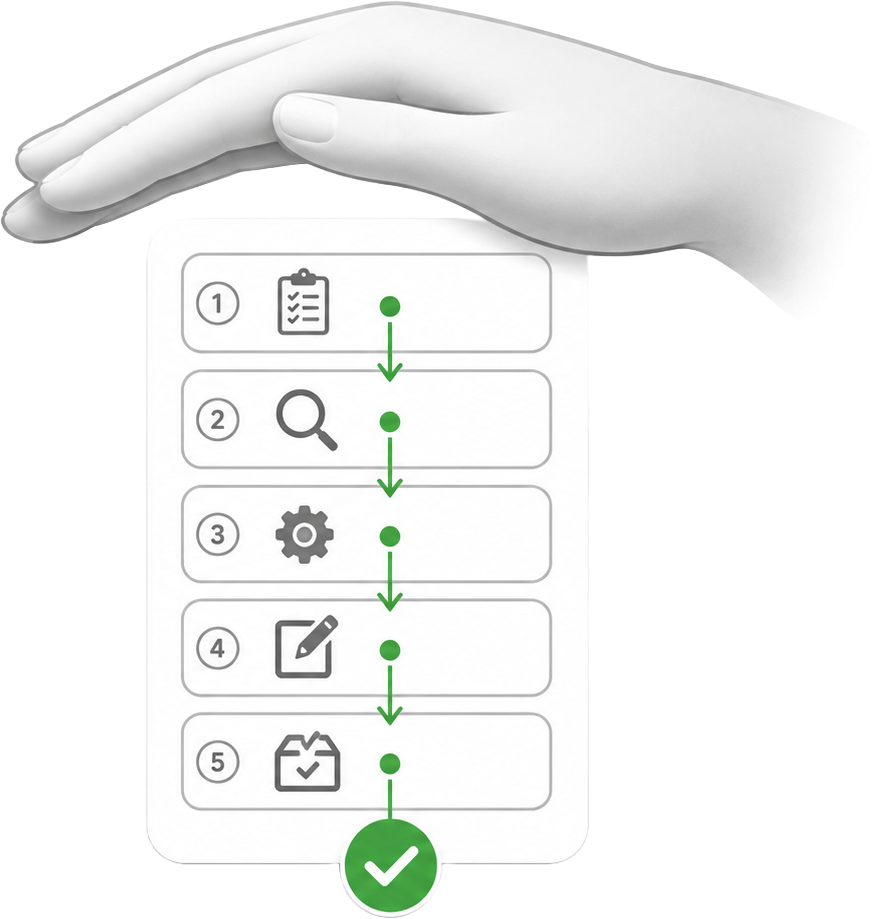
All of the methods are taught in our training. They are also embedded into the software to maximize the likelihood they will be used, and applied correctly. This is critical to addressing the fundamental training problem of partial, inaccurate application post-training for activities that are not habitual.
Yes. However, please bear in mind that the research showed that those regularly involved in Group Design, such as consultants and facilitators, have existing methods. Some, like Stakeholder Interviews, they borrowed, others they developed. However, they support the traditional Constructive GDM approach and are not designed to support the oFFA-based Optimal GDM approach.

Probably. Some of the methods have not changed since they were first identified and locked after the initial R&D triggered by a research insight. Others have been revised as their growing application identified gaps. The current lexicon is stable, but further research and application may yield adjustments.
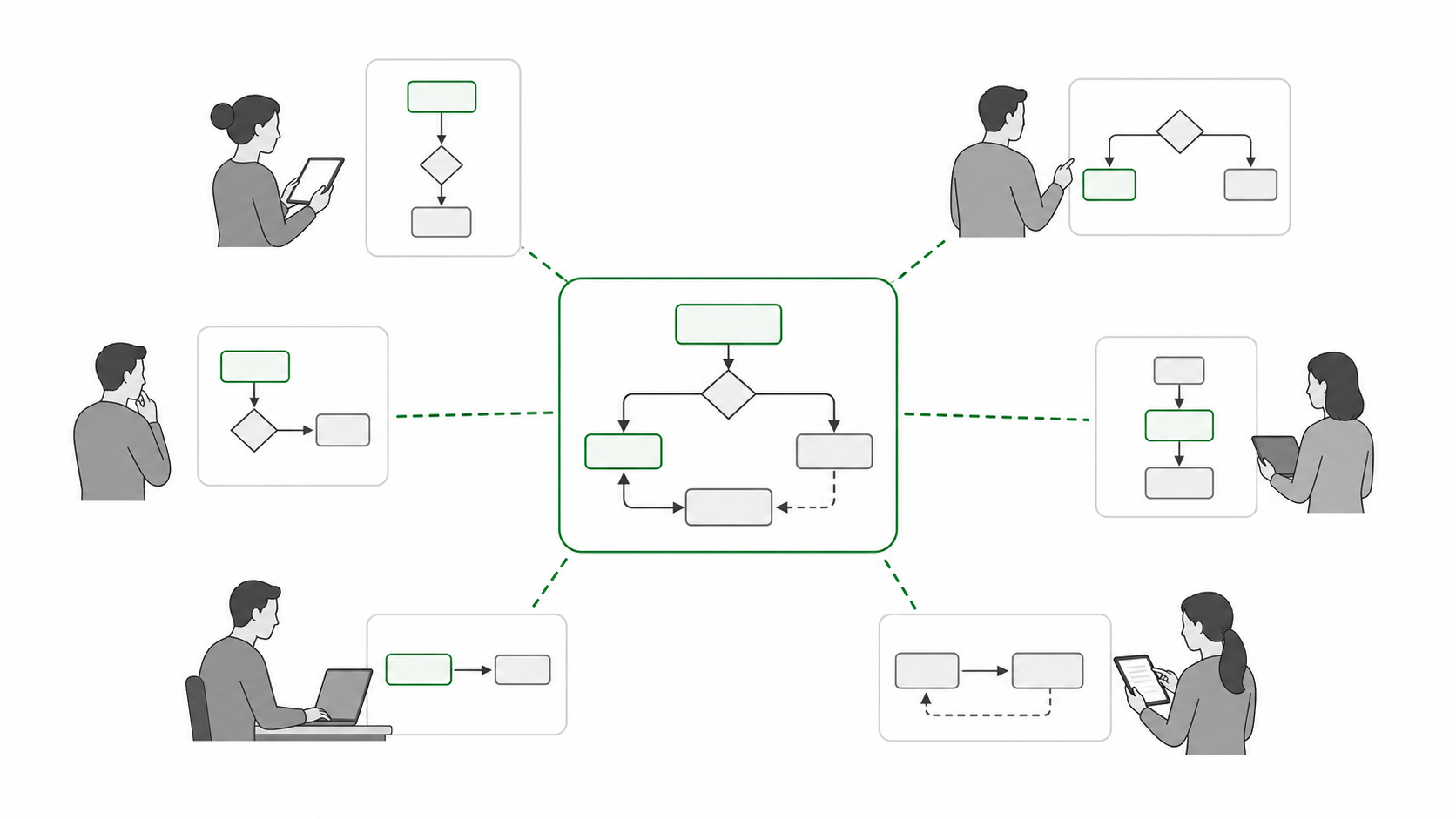
Facilitation focuses on who is in the room and how they interact. Optimal GDM focuses on what process the group uses. It removes dependence on facilitator skill and replaces it with structured methods that any leader or manager can apply.